Having finally emerged from the long tunnel of the pandemic, Japan is presently riding a massive inbound wave, aiming for an astounding 40 million tourists a year, and has completely reclaimed its reputation as a true tourism superpower. Amidst this overwhelming recovery in foot traffic, Tokyo is brimming with immense vitality every single day, both as the nation’s capital and a city situated at the absolute forefront of global trends. You might frequently wonder, “Where is the most stylish street in Tokyo?” or “Where are the best cafes and shopping spots?” In reality, there are so many stylish places you’ll want to visit, such as cute general stores and trendy cafes, that people often become bewildered about where they should actually go.
A Japanese blog called “Eipura Column” features posts that answer these kinds of questions. Although it has somewhat of a PR nature, after consulting with my Japanese wife, the content seems quite persuasive, so I decided to cover it here. It is interesting because it introduces Tokyo’s stylish spots in a ranking format. Personally, however, I don’t think there is a need to attach too much significance to the specific order below. This is because people’s standards for “stylishness” vary, and there are clear individual differences in preferred scenery.
1. Daikanyama: Loved by Stylish People
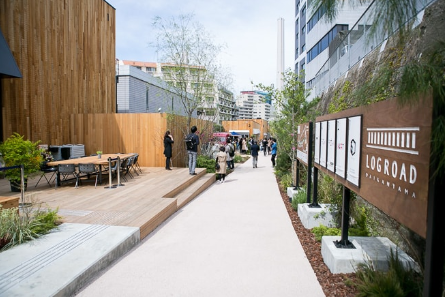
Daikanyama is widely recognized as a stylish “Machi” (neighborhood) in Tokyo. Known as a high-end residential area where many celebrities reside, the overall atmosphere is elegant and calm. Trees are planted along the roads, and the neighborhood’s landscape is lush and beautiful. There are many fashion-related stores, such as clothing boutiques and aesthetic salons often featured in magazines, making it especially popular among women.
Because it is a high-end residential area, the streetscape is beautiful and safe. In the vicinity, there are supermarkets, convenience stores, and other shops necessary for daily life. The entire neighborhood ranks at the very top, easily earning 5 stars for cleanliness. However, the rent is expensive. A studio-type one-room (1K or 1DK) costs over 130,000 yen, which is quite burdensome. Here, ‘K’ stands for Kitchen, and ‘D’ stands for Dining space. In terms of location, it is fantastic, as Tokyo’s hot spots, Ebisu and Shibuya, are within walking distance.
2. Jiyugaoka: Loved by Women
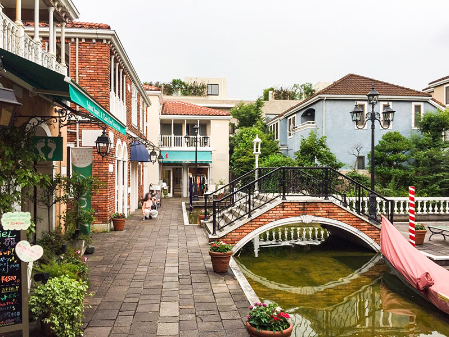
It is no exaggeration to say that Jiyugaoka is a neighborhood made for women, filled with many cute and stylish things. Also known as the ‘Holy Land of Sweets,’ it hosts a variety of shops ranging from bakeries managed by famous pastry chefs to long-established traditional Japanese confectioneries. There are also stylish cobblestone streets like “Sunset Alley Street” and “Marie Claire Street (Kuhombutsu River Green Road).” With abundant greenery, the neighborhood landscape exudes a very elegant and relaxed atmosphere.
Boasting a beautiful streetscape, Jiyugaoka is reputed to be a very safe neighborhood. This is likely another reason why it is so popular among women. It is serviced by two lines, the Tokyu Toyoko Line and Oimachi Line, making transportation very convenient. The Toyoko Line connects directly to the Tokyo Metro Fukutoshin Line, allowing you to reach Shinjuku or Ikebukuro without transferring. Although the rent is on the higher side, it is somewhat lower than Daikanyama. A studio-type one-room hovers around the 90,000 yen range.
3. Omotesando: A Regular Spot for Sightseeing and Dates
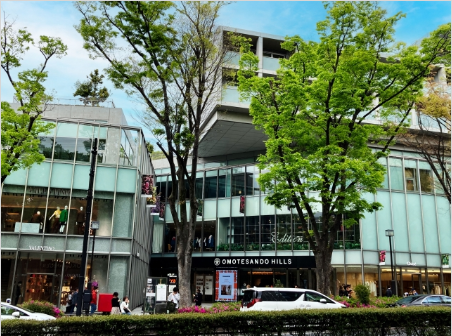
Characterized by the beautiful green scenery viewed from in front of the station, Omotesando is a place where cutting-edge trends gather, from fashion to food. Luxury brand stores line Aoyama Street, making even window shopping a delight. Pachinko parlors and consumer finance shops are virtually non-existent. The elegant atmosphere that encompasses the entire neighborhood makes Omotesando truly stand out. In winter, the area around Omotesando Hills is lit up with illuminations, drawing many tourists and couples. For reference, Omotesando Hills was designed by the famous architect ‘Tadao Ando’ and is a stylish landmark in both its exterior and interior.
Omotesando Station is serviced by the Metro Ginza Line, Chiyoda Line, and Hanzomon Line. JR Yamanote Line’s Harajuku Station and the Fukutoshin Line’s Meiji-Jingumae Station are also within walking distance, making it incredibly convenient to travel anywhere in Tokyo. While the residential areas are relatively quiet, there are many commercial facilities, causing it to bustle with shoppers on weekdays and holidays. A studio-type apartment in Omotesando costs around 134,000 yen in rent. Despite the high rent, it receives top scores for accessibility, shopping, and ease of dining out. It seems there is a reason why it is so loved.
4. Ginza: Tradition with Many Stylish Spots
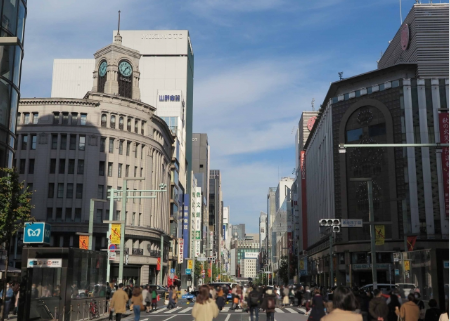
Symbolized by the “Wako Clock Tower,” Ginza presents a neighborhood that approaches you with maturity rather than a purely young image. It appeals more to the generations in their 30s, 40s, and beyond than to those in their 20s. High-end street shops and long-established department stores line the streets, constantly bustling with shoppers. Beyond shopping, there are many charming attractions, such as enjoying a play at the long-standing ‘Kabuki-za’ or taking photos at the ‘Art Aquarium Museum Ginza.’ If you look closely around every corner, you will realize there are many exceptionally stylish shops. Because it is a neighborhood loved by generations with purchasing power, I believe it possesses an unrivaled charm.
In the Ginza area, you have access to five lines including Ginza Station, Ginza-itchome, Higashi-Ginza, and Yurakucho. This makes it incredibly convenient to travel anywhere in Tokyo. With numerous commercial facilities, there is never any difficulty when it comes to shopping or dining out. Studio-type apartments carry a hefty rent of around 154,000 yen, but there is no doubt that it is a highly convenient and great area to live in.
5. Shibuya: Always at the Forefront of Trends
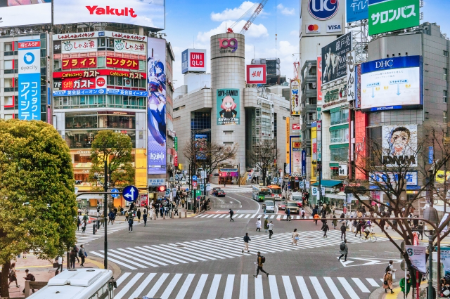
The Shibuya area is currently undergoing a massive redevelopment said to happen only once in a century. New commercial and office buildings such as ‘Shibuya Fukuras’ and ‘Shibuya Stream’ are being completed one after another. As a place where the latest trends and culture are transmitted, you can always discover something new. The entire area is undergoing a complete transformation, making it a place to look forward to even more in the future.
Because it is a terminal station where various lines like JR, subways, and Tokyu converge, transportation accessibility is outstanding. With multiple commercial facilities, it is perfectly suited for enjoying shopping. The rental market for a studio-type apartment forms around the 142,000 yen range.
Conclusion
I have introduced 5 trendy areas in Tokyo, Japan. It might also be meaningful to compare the studio rent prices of each area with those in Seoul. While this might not mean much to an average traveler, I think it would be interesting for those interested in real estate to travel while keeping these market prices in mind. As mentioned when describing the Shibuya area, even in a quiet country like Japan, redevelopment is relatively active in Tokyo. It is a joy to watch an old city rebirth into something newer and more stylish. Additionally, it provides a meaningful opportunity to imagine how the cityscape of Seoul might develop in the future.